Choosing a commercial lighting manufacturer can be surprisingly difficult. On paper, many suppliers look almost identical. They offer similar LED products, competitive prices, and attractive specifications. Their websites may even use the same descriptions of quality, efficiency, and reliability.
The differences usually become clear later, when samples arrive, production begins, or the lighting is installed.

For distributors, contractors, and commercial project buyers, these differences matter. Poor color consistency, unexpected installation issues, or delayed deliveries can turn an inexpensive lighting order into a costly problem.
So how can you tell which manufacturer is worth working with?
This commercial lighting manufacturer checklist focuses on what buyers should actually investigate, which questions reveal useful information, and the warning signs that deserve a closer look.
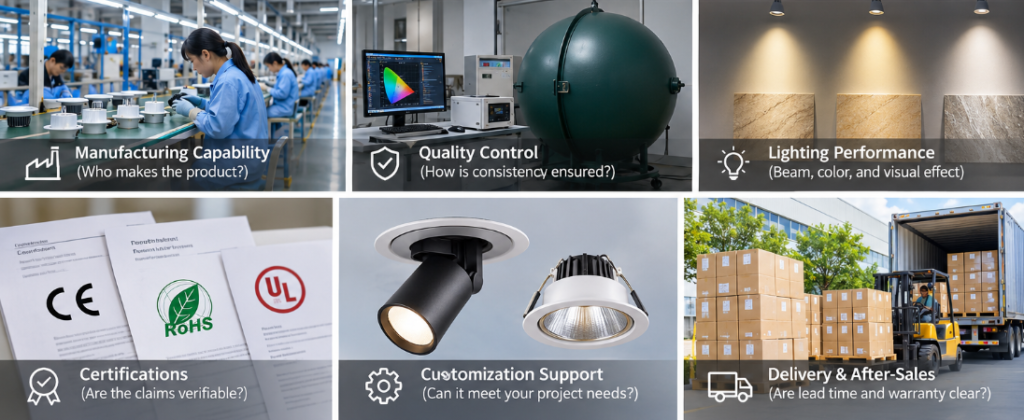
1. Look Beyond the Product Catalog
A large product catalog is not necessarily a sign of strong manufacturing capabilities.
Some suppliers specialize in a particular type of commercial lighting, while others offer hundreds of products sourced from different factories. Neither business model is automatically better, but you should understand who is responsible for production and quality.
Start by asking where the products are manufactured and which processes the company controls. Can the supplier explain how a fixture moves from material preparation to final assembly? Are there documented inspection points? What happens when a component fails inspection?
These questions are more useful than simply asking whether the company is a factory.
For example, SUNPOL’s manufacturing information provides an introduction to its production processes for commercial lighting products. Buyers can use this information as a starting point for requesting further details about equipment, production control, and manufacturing capabilities.
Watch out for: Suppliers who cannot clearly explain their production responsibilities or provide reasonable evidence of the manufacturing processes they claim to manage.
2. Ask How They Maintain Consistent Quality
One good sample proves that a manufacturer can produce one good fixture. It does not prove that the next 500 or 5,000 units will perform the same way.
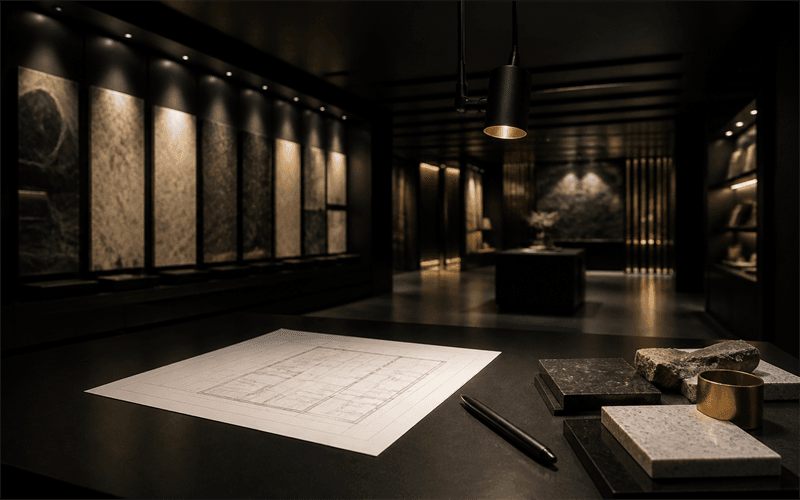
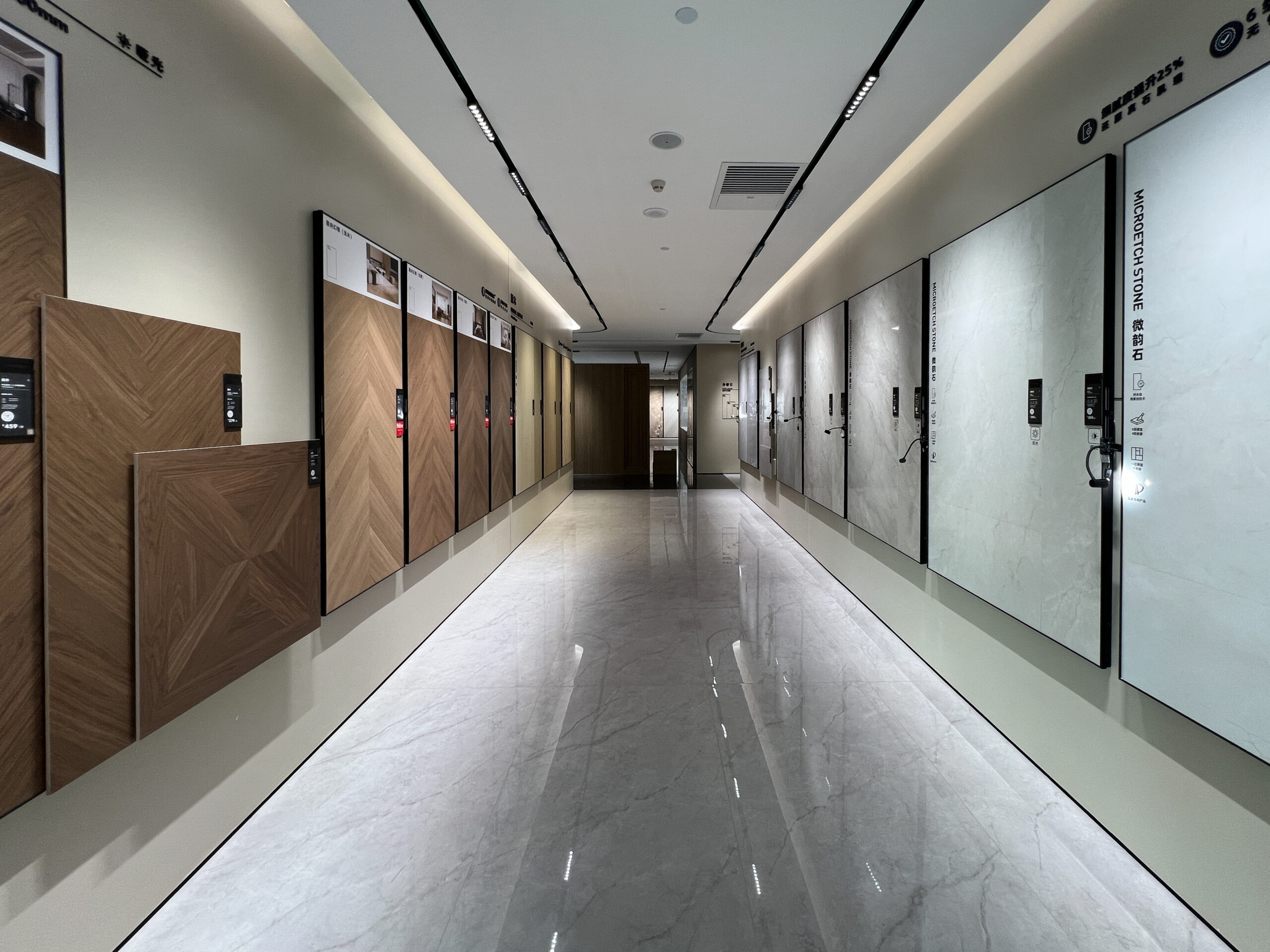
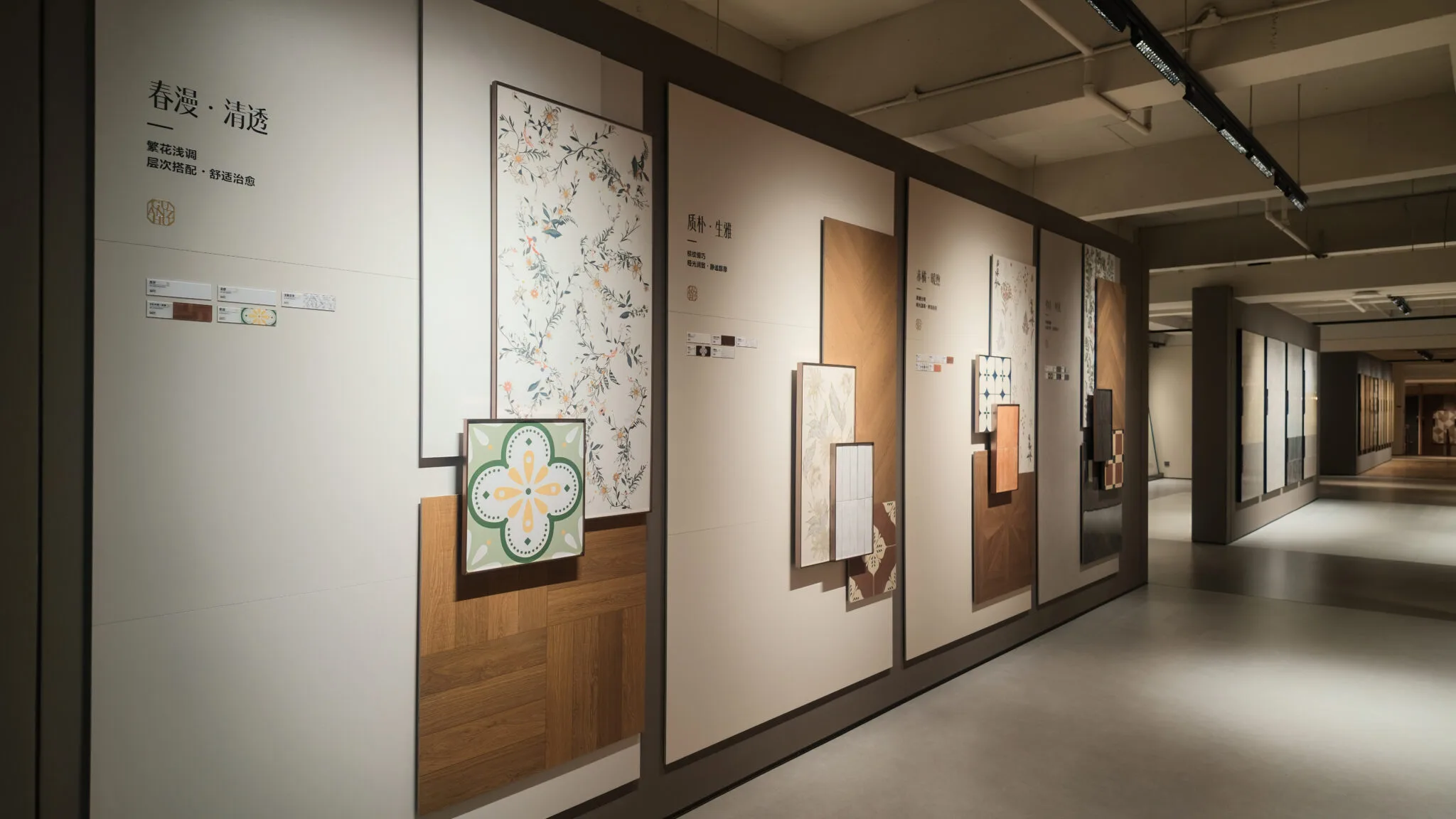
Consistency is particularly important in commercial projects. Imagine installing a row of spotlights in a ceramic tile showroom and discovering that some fixtures appear warmer than others. Even small differences in light color can become noticeable when identical materials are displayed side by side.
Before placing a bulk order, find out how the manufacturer handles incoming materials, assembly inspections, and finished-product testing.
Ask whether critical components are traceable and whether the company has a procedure for approving component substitutions.
It is also worth discussing acceptable tolerances for color temperature, light output, mechanical dimensions, and appearance.
SUNPOL outlines its inspection approach on its lighting quality assurance page. For project buyers, such information is useful, although model-specific inspection records and agreed acceptance standards remain important.
Watch out for: A supplier that promises consistent quality but cannot explain how production batches are checked against approved samples.
3. Pay Attention to Lighting Performance, Not Just Wattage
When comparing commercial LED fixtures, wattage and price are often the first numbers buyers notice.
But a 20W spotlight is not automatically better than a 15W model, and two fixtures with identical wattages may produce noticeably different lighting effects.
What matters is how the light performs in the intended space.
For retail and showroom projects, consider beam distribution, color rendering, glare, and the relationship between mounting height and the illuminated surface.
A narrow beam may work well for highlighting a product display but create uncomfortable contrasts if used throughout an entire showroom. A wider distribution may provide more even illumination but lack the emphasis needed for feature products.
Color quality deserves similar attention. For ceramic tiles, natural stone, clothing, and decorative materials, lighting can influence how customers perceive colors and textures.
Ask manufacturers for relevant photometric reports and IES or LDT files when lighting simulation is required. If possible, test samples with the actual materials you plan to illuminate.
Watch out for: Suppliers who provide only wattage, color temperature, and generic brightness claims without meaningful optical data.
4. Verify Certifications Before You Trust Them
Certification is one area where assumptions can become expensive.
A manufacturer may display CE, RoHS, UL, or other compliance-related markings on its website. However, these labels do not necessarily mean that every product is approved for every destination market.
The requirements depend on the product, its configuration, and where it will be installed.
For example, CE marking represents the manufacturer’s declaration of conformity with applicable EU requirements; it is not itself an independent third-party product certification. North American projects may require different safety approvals.
Before ordering, request documentation covering the exact model and configuration you intend to purchase. Check the issuing organization, applicable standards, and whether the documents can be authenticated.
You can review SUNPOL’s certification information as an initial reference when discussing compliance documentation.
Watch out for: Certificates showing unrelated model numbers, incomplete reports, or claims that one approval automatically covers every international market.
5. Find Out What Happens When You Need Changes
Commercial lighting projects rarely follow a completely standard specification.
A showroom contractor may need a particular beam angle. A distributor might require a different housing finish, while a retail chain may need consistent dimming performance across multiple locations.
This is where engineering support becomes valuable.
Instead of asking only whether a supplier offers OEM or ODM services, explain a specific requirement and see how the company responds.
Does the supplier ask about installation conditions? Can it provide drawings and revised specifications? Will a customized product be tested before production?
Consider an adjustable recessed fixture such as the SUNPOL SP-SX95105B2 Recessed Pull-Down Spotlight. When evaluating this type of product, buyers should consider adjustment stability, ceiling clearance, optical direction, and installation compatibility—not simply its appearance.
A manufacturer that recognizes these practical issues is better positioned to support application-specific projects.
Watch out for: Suppliers who agree to every customization request without discussing engineering feasibility, additional testing, or production implications.
6. Check Delivery Reliability and After-Sales Support
A competitive quotation means little if the products arrive after the installation deadline.
Ask about realistic production lead times, material availability, and the supplier’s approach to unexpected delays. For larger orders, it helps to establish production milestones and inspection arrangements before manufacturing begins.
Warranty terms also deserve attention.
A five-year warranty may sound reassuring, but what exactly does it cover? Are replacement components included? Who pays for shipping or labor? What happens if the same defect appears across an entire batch?
These details should be clarified before an order is confirmed.
For international projects, clear communication and a practical problem-solving process can be just as important as the warranty period itself.
Watch out for: Unrealistically short delivery promises, vague warranty wording, or suppliers who avoid explaining how complaints are investigated.
7. A Commercial Lighting Manufacturer Checklist You Can Actually Use
You do not need an overly complicated audit system to make a better purchasing decision.
Start with these ten questions:
| Supplier audit question | What to look for |
|---|---|
| 1. Who manufactures the products? | Clear production responsibilities |
| 2. Can manufacturing processes be verified? | Factory information and supporting evidence |
| 3. How is product quality controlled? | Documented inspection procedures |
| 4. Are production batches consistent? | Approved samples and tolerances |
| 5. Is technical performance documented? | Photometric data and specifications |
| 6. Are compliance claims verifiable? | Model-specific documentation |
| 7. Can the supplier support customization? | Engineering review and sample approval |
| 8. Are production lead times realistic? | Clear schedules and capacity planning |
| 9. Are warranty responsibilities defined? | Written terms and claim procedures |
| 10. Is communication technically useful? | Specific answers and timely follow-up |
A supplier does not need to be perfect in every area. However, safety requirements, critical performance specifications, and product compliance should never be treated as optional.
For other weaknesses, request corrective actions before committing to a major order.
The purpose of this commercial lighting manufacturer checklist guide is not to create unnecessary paperwork. It is to identify problems while they are still relatively easy to resolve.
8. Why Application Experience Matters
There is another factor that buyers sometimes overlook: experience with the intended lighting application.
A manufacturer familiar with warehouse lighting may not fully understand the visual demands of a premium retail showroom.
Ceramic tiles, polished stone, sanitaryware, and fashion merchandise respond differently to light. Surface reflections, color accuracy, beam placement, and visual comfort all influence the final result.
Manufacturers with relevant application experience are often better prepared to discuss these details during product selection.
This is part of the approach behind SUNPOL lighting, which focuses on commercial and showroom illumination. Its retail display lighting solutions provide an example of how product selection can be considered in relation to the surrounding display environment.
For buyers, the important question is whether a manufacturer’s experience matches the challenges of the project—not simply how many years the company has been operating.
9. Make the Final Decision Based on Evidence
Once you have shortlisted potential manufacturers, compare them against the same requirements.
Use identical specifications when requesting quotations. Evaluate samples under comparable conditions. Confirm mandatory compliance before assessing other advantages.
Then consider quality control, technical support, delivery reliability, and long-term service alongside the initial purchase price.
If one manufacturer is slightly more expensive but provides better technical documentation and more predictable production, the difference may be worthwhile.
On the other hand, impressive marketing materials should never replace actual evidence.
A good supplier relationship begins with clear expectations on both sides.
Final Thoughts
Finding a commercial lighting manufacturer is easy. Finding one that can deliver the right products consistently, with the right documentation and dependable support, takes more work.
The most useful questions are often straightforward: Who makes the product? How is it tested? Can the specifications be verified? And what happens when something goes wrong?
Using a practical commercial lighting manufacturer checklist helps buyers answer those questions before making a significant investment.
At SUNPOL, commercial lighting development is closely connected to the needs of retail spaces, ceramic tile and stone showrooms, and other display environments.
If you are planning a commercial lighting project or evaluating a manufacturing partner, visit SUNPOL to explore the product range and discuss your technical requirements.